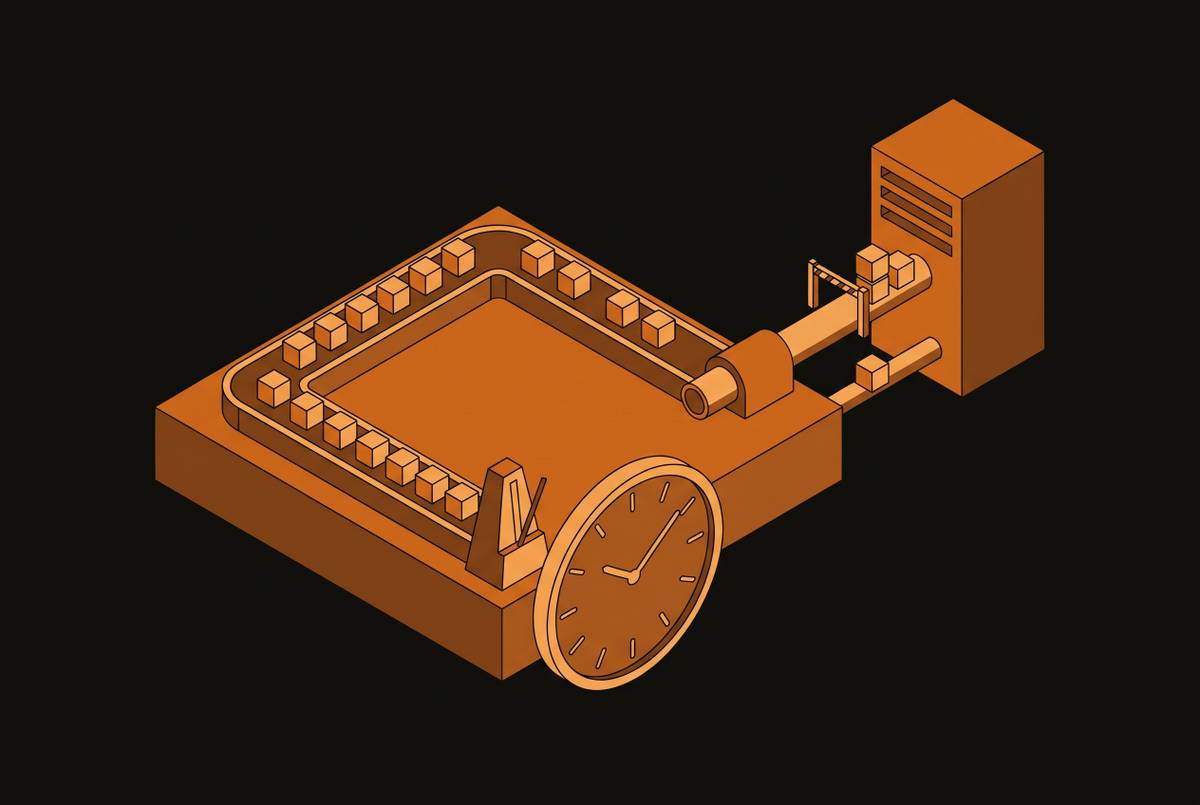
 RL Environment Design
Structuring the Training Loop Clock When a Real API Is Your Environment Step
Decoupling rollouts from the trainer keeps slow APIs from stalling GPUs.
Marcus Oyelowo·
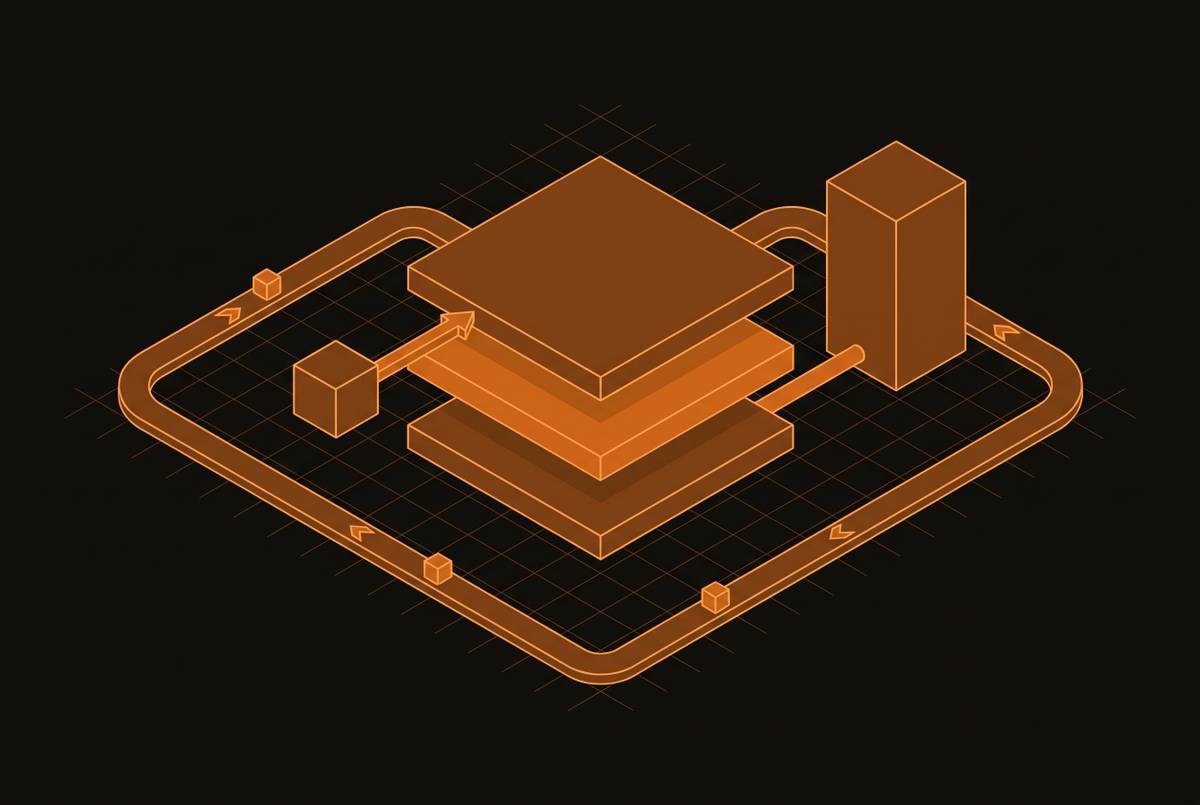 RL Environment Design
Choosing the Right Abstraction Layer When an External API Is Your Gym Step Function
Match the abstraction layer to your API's state, reproducibility, and fault needs.
Marcus Oyelowo·
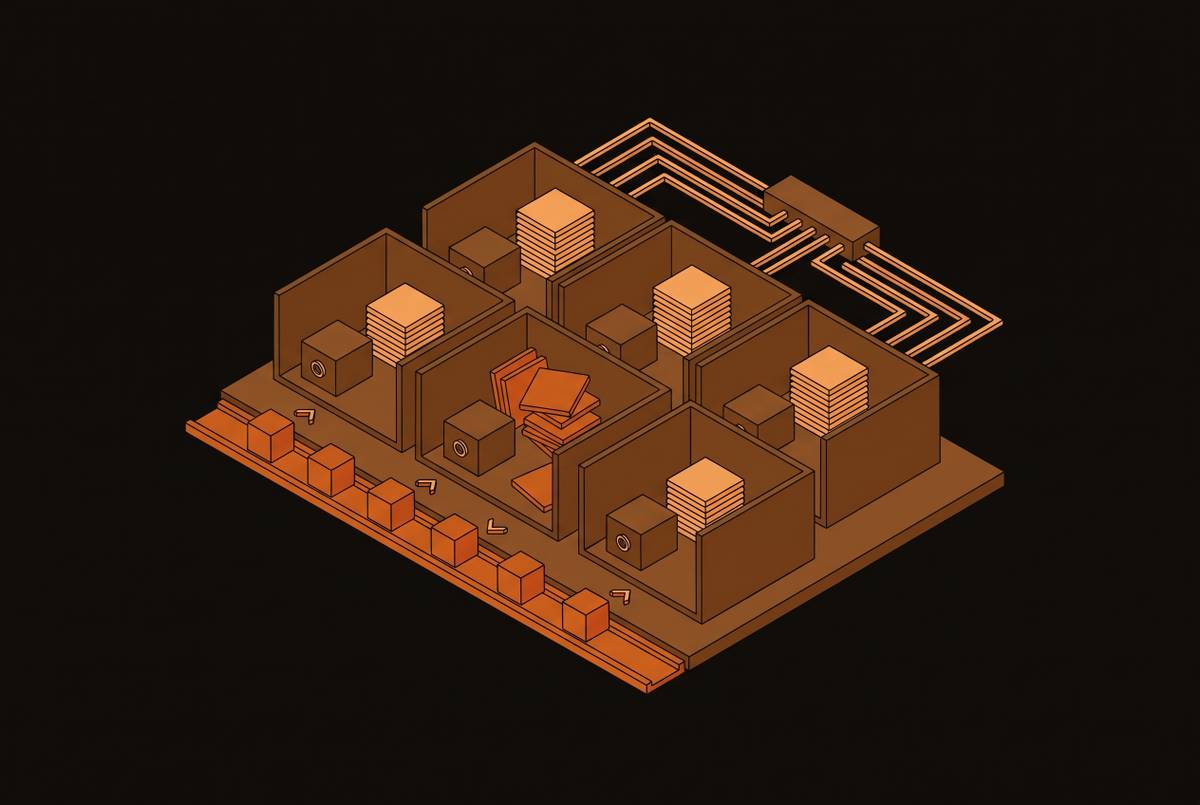 RL Environment Design
Worker Isolation Strategies for Vectorized Simulated API Environments When Episode State Is Mutable
Four isolation boundaries for mutable RL simulators, and when each one fits.
Marcus Oyelowo·
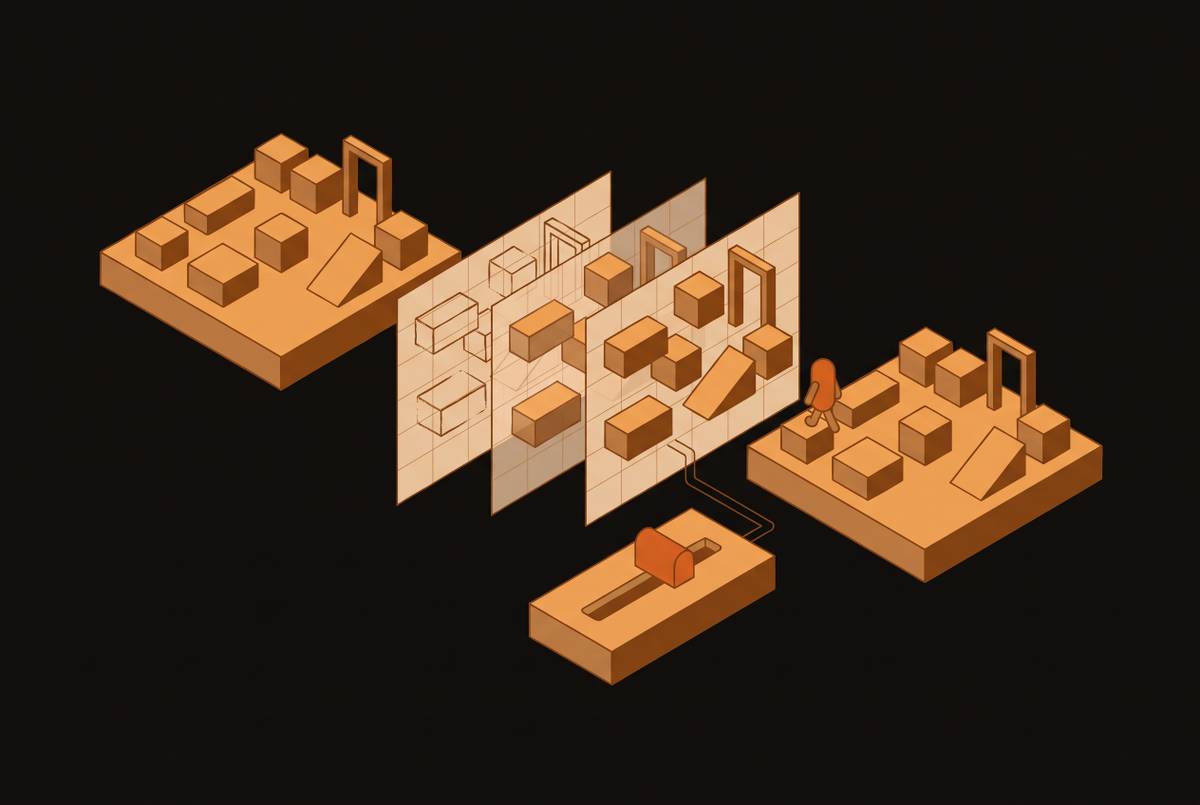 RL Environment Design
Environment Fidelity as the Production Readiness Variable Production RL Teams Actually Control
Faithful simulators, not stronger models, decide whether RL agents survive production.
Marcus Oyelowo·
 RL Environment Design
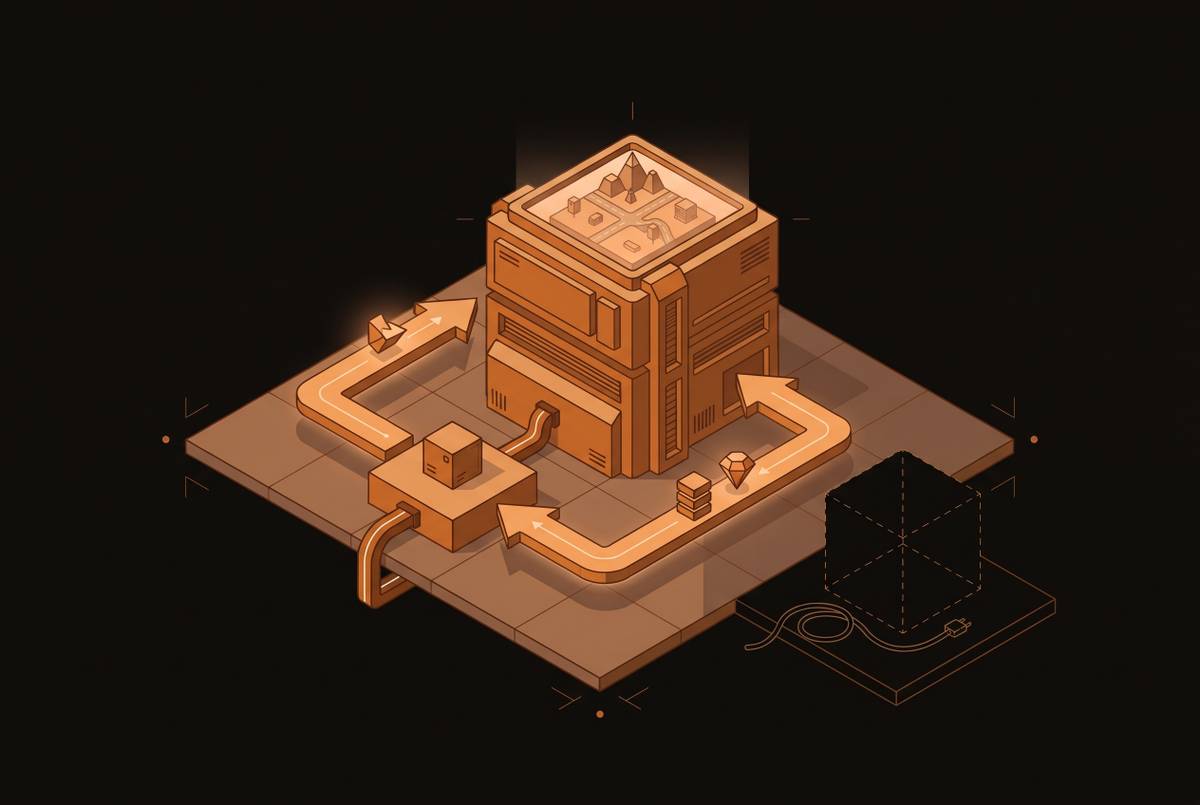
Replacing a Stub Environment With a Commercial Simulator as the Authoritative Gym Step Function
Replace mock APIs with stateful simulators to train agents on realistic state transitions.
Marcus Oyelowo·
 RL Environment Design
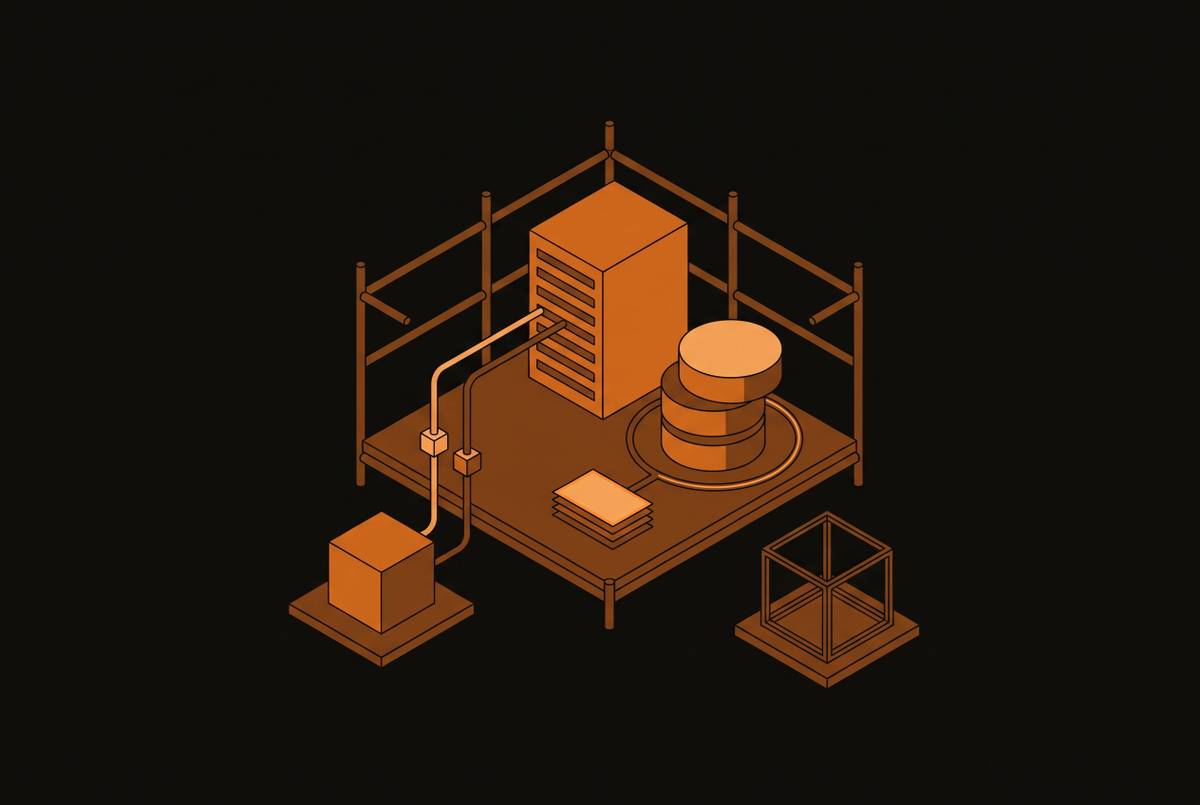
Scaffolding a Simulated API Backend as a Gym Environment Without Mocking Away Stateful Side Effects
Stateful API simulators preserve causal consistency that mocks cannot test.
Marcus Oyelowo·
 Bad Habits
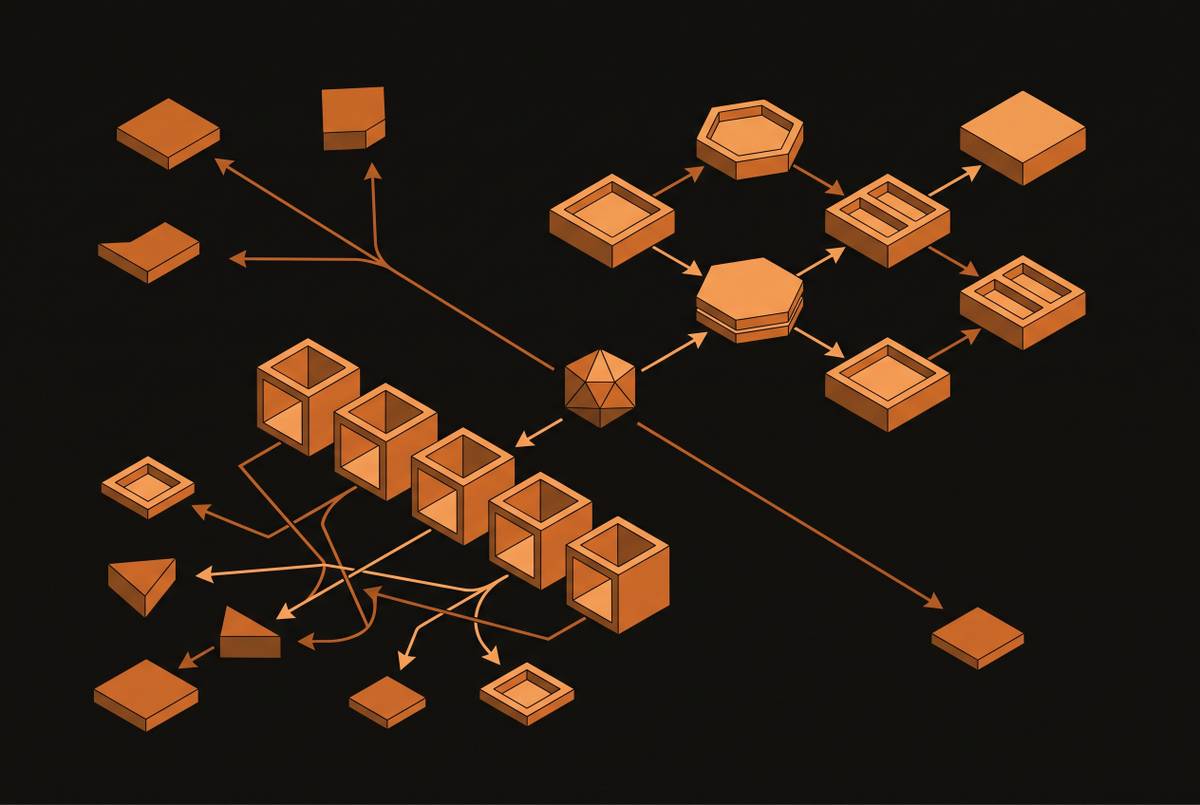
How Stateless Mocks Teach LLM Agents Wrong Causal Models
Stateful simulators must replace mocks to teach agents how their actions change the world.
Marcus Oyelowo·
 RL Environment Design
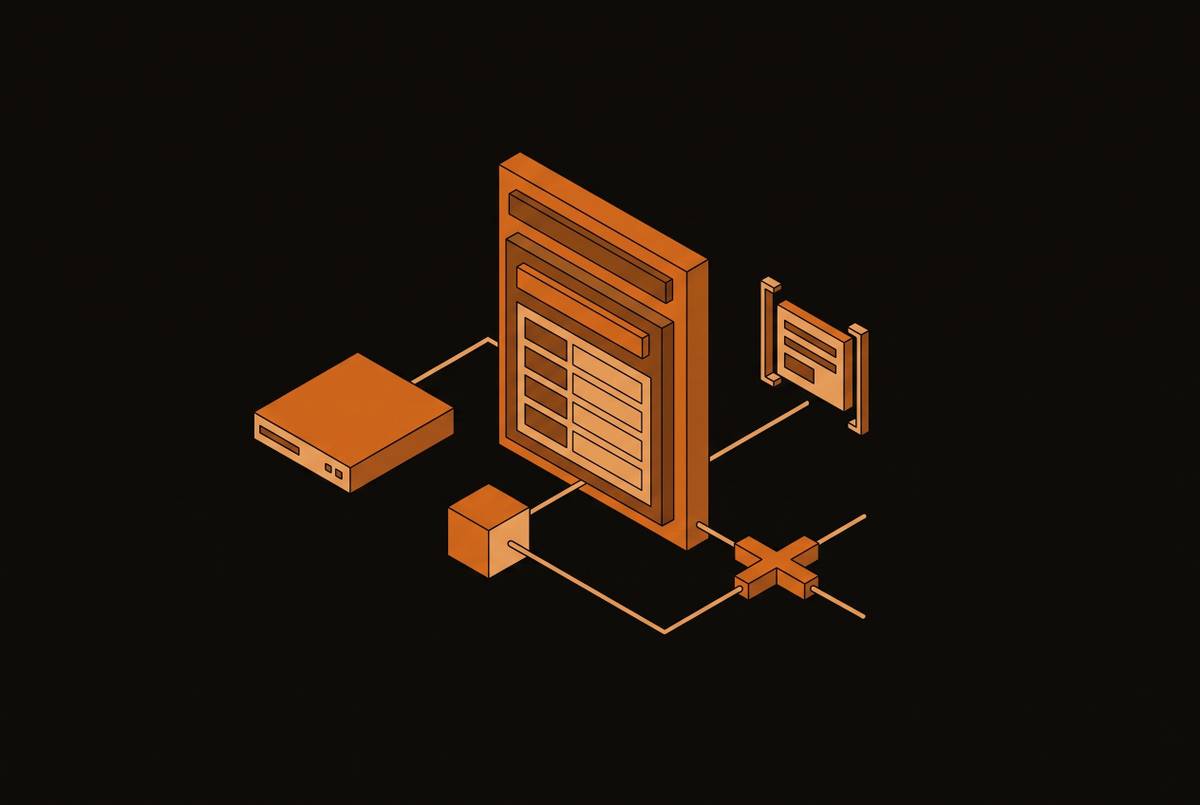
Observation Space Design for Agents That Read API Responses
Design observation pipelines to filter, normalize, and validate API responses for agents.
Marcus Oyelowo·
 RL Environment Design
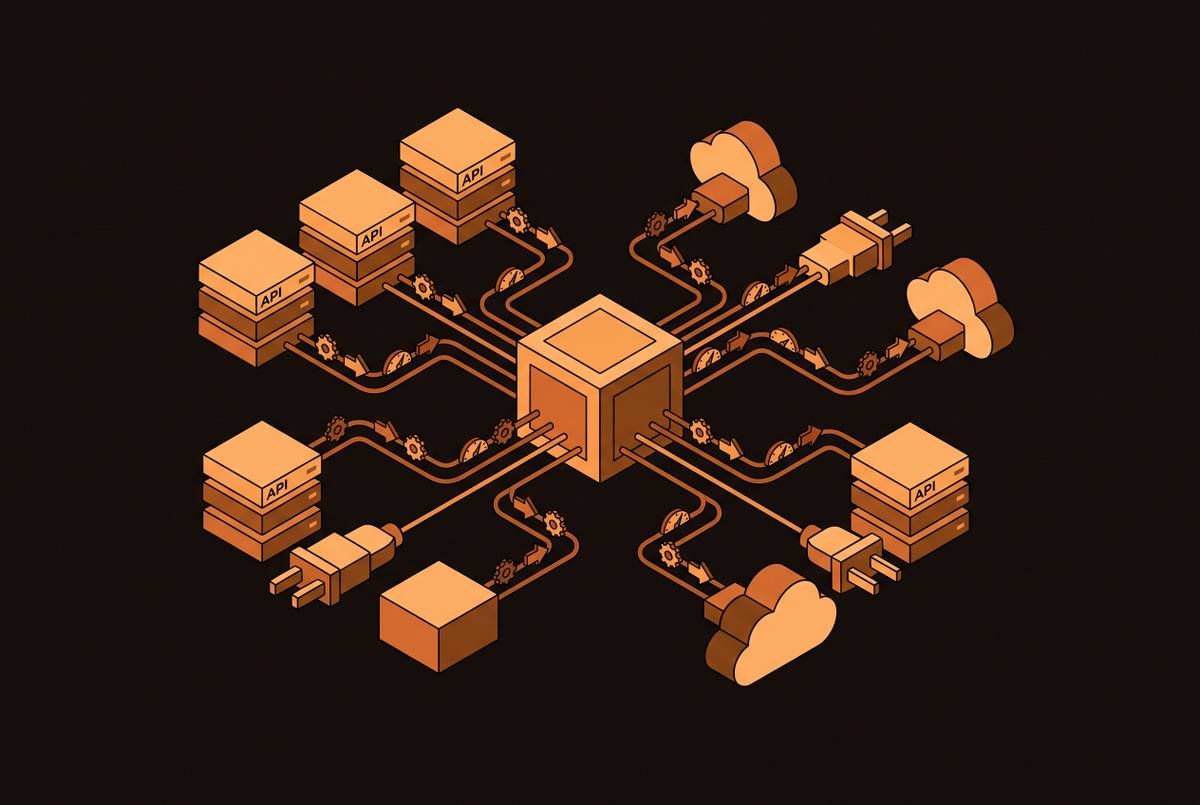
Reward Shaping for LLM Agents Calling External APIs
Decomposed rewards let agents learn which API-call failures matter.
Marcus Oyelowo·