 RL Environment Design
Live API as Ground Truth Environment When Your Simulator Cannot Model Stateful Side Effects
Simulators miss webhook cascades and platform-enforced state, so validate those live.
Emilio Restrepo-Vidal·
 RL Environment Design
Composing a Gym-Compatible RL Environment From a Third-Party API Contract Using Commercial Simulator State Authority
Wrap a third-party API in Gymnasium with a resettable local simulator.
Daria Kolchin·
 RL Environment Design
Choosing the Right Abstraction Layer When an External API Is Your Gym Step Function
Match the abstraction layer to your API's state, reproducibility, and fault needs.
Marcus Oyelowo·
 RL Environment Design
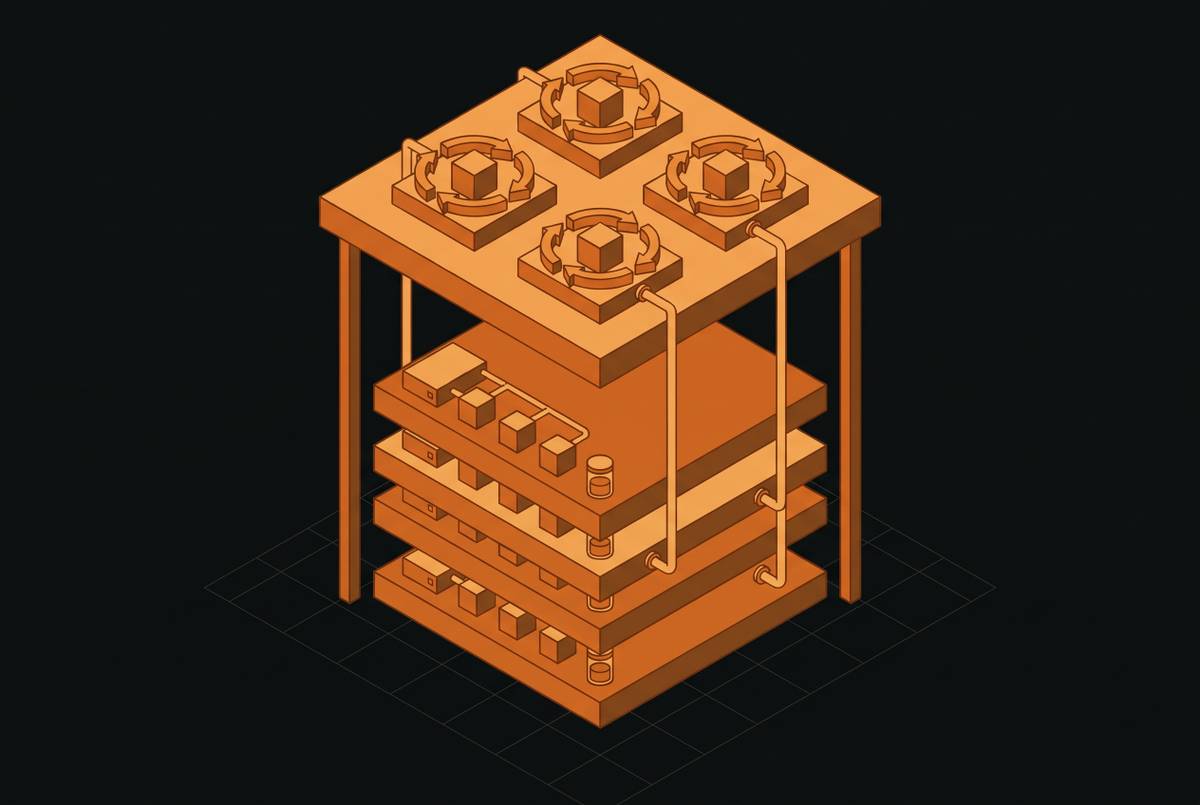
Simulated API Environment Versioning as the Load-Bearing Primitive for Multi-Team RL Research Infrastructure
Simulator versions shape RL results as much as checkpoints do.
Emilio Restrepo-Vidal·
 RL Environment Design
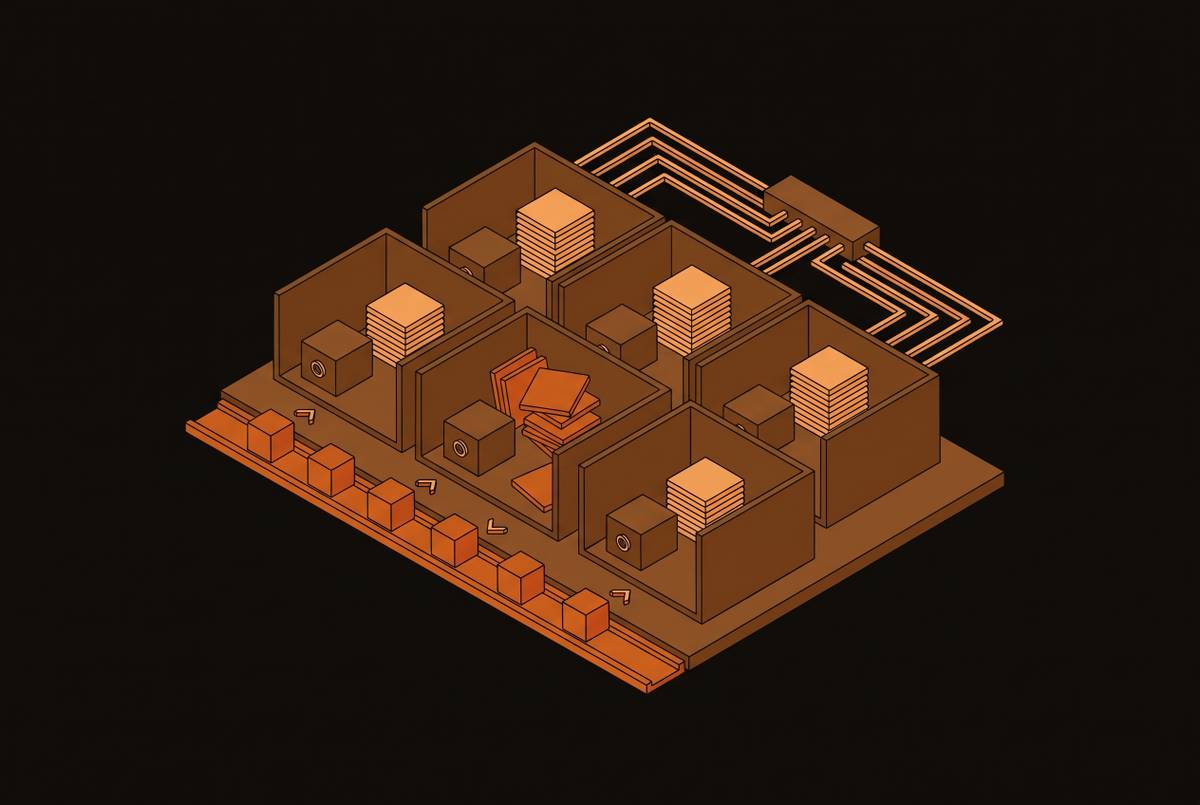
Worker Isolation Strategies for Vectorized Simulated API Environments When Episode State Is Mutable
Four isolation boundaries for mutable RL simulators, and when each one fits.
Marcus Oyelowo·
 RL Environment Design
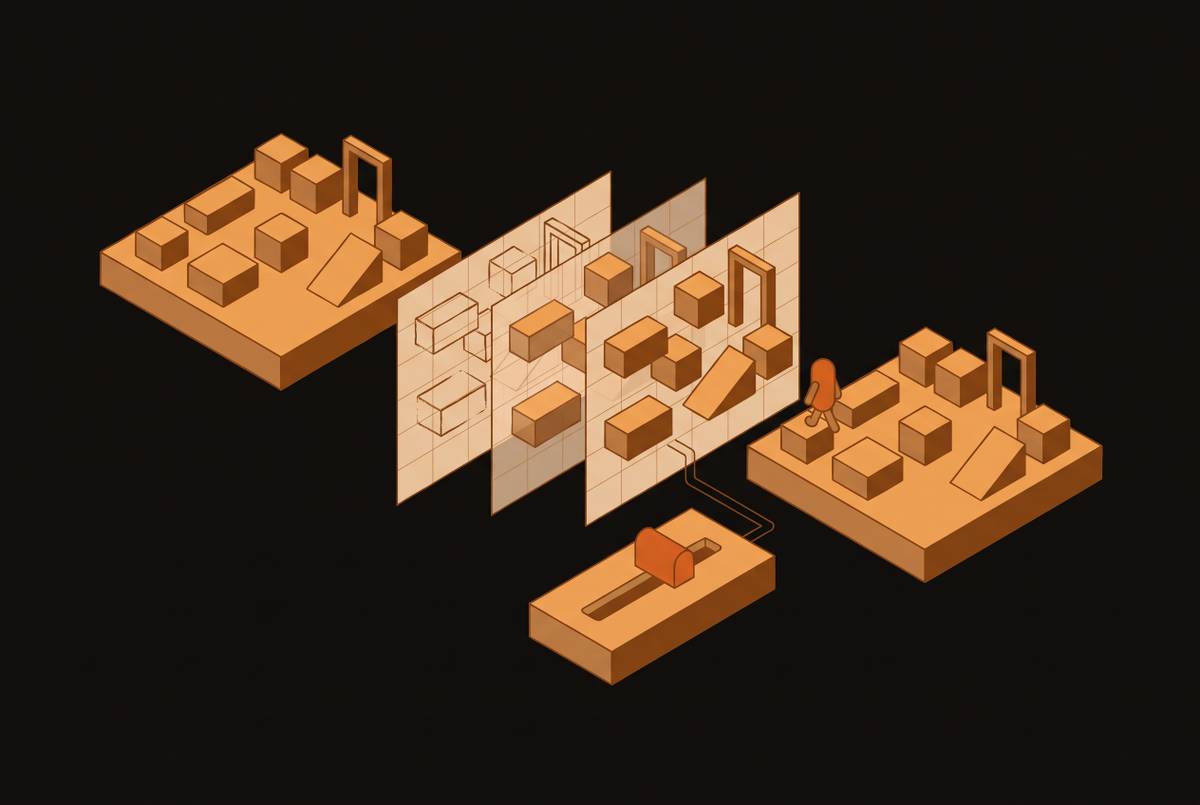
Environment Fidelity as the Production Readiness Variable Production RL Teams Actually Control
Faithful simulators, not stronger models, decide whether RL agents survive production.
Marcus Oyelowo·
 RL Environment Design
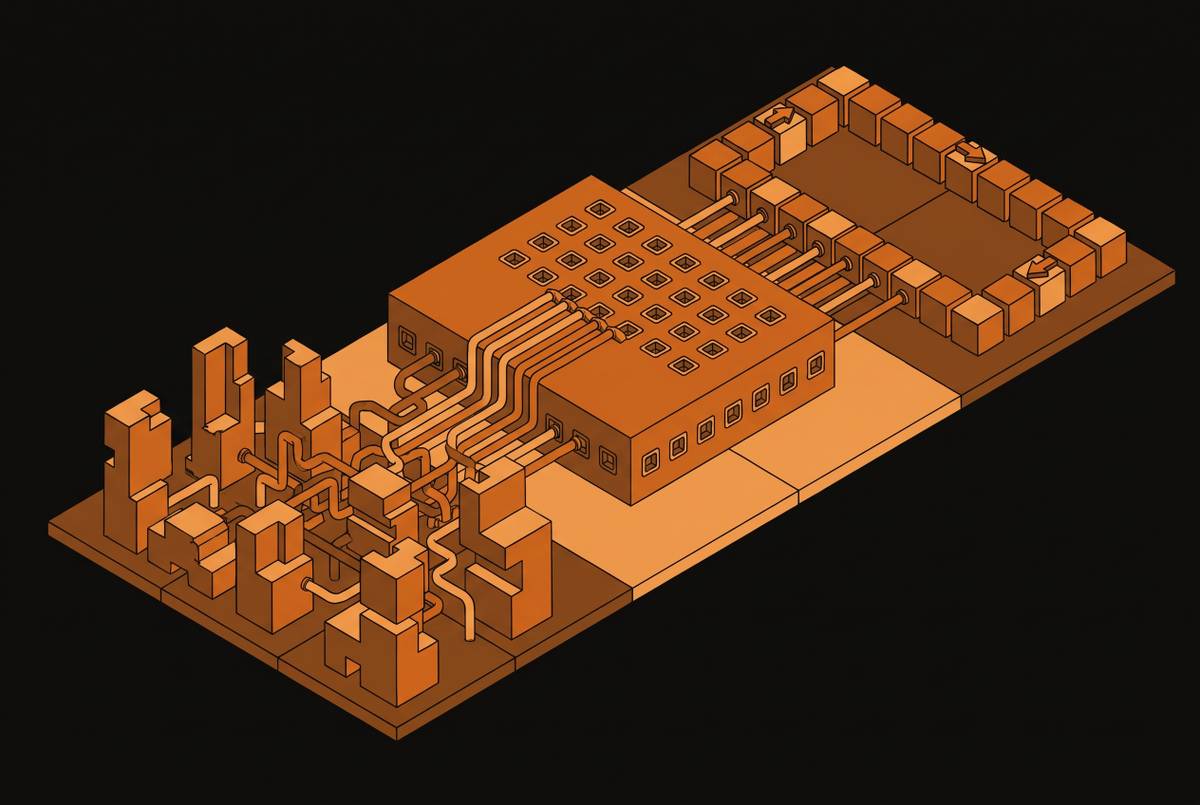
Simulated API Backends as the Missing Abstraction Between Custom Business Logic and Standard RL Training Loops
A stateful simulator lets agents train on API-calling tasks.
Daria Kolchin·
 RL Environment Design
RL Environment Tools Beyond Gym Ranked by API Action Fidelity Not Observation Flexibility
Action fidelity, not observation realism, separates superior API simulators for RL training.
Emilio Restrepo-Vidal·
 RL Environment Design
Replacing a Stub Environment With a Commercial Simulator as the Authoritative Gym Step Function
Replace mock APIs with stateful simulators to train agents on realistic state transitions.
Marcus Oyelowo·
 RL Environment Design
Why Dictionary Observation Spaces and Custom Reward Wrappers Are the Right Primitives When API Responses Are Your Environment Signal
Dictionary spaces and reward wrappers preserve API structure and make success definitions explicit.
Emilio Restrepo-Vidal·
 RL Environment Design
Scaffolding a Simulated API Backend as a Gym Environment Without Mocking Away Stateful Side Effects
Stateful API simulators preserve causal consistency that mocks cannot test.
Marcus Oyelowo·
 RL Environment Design
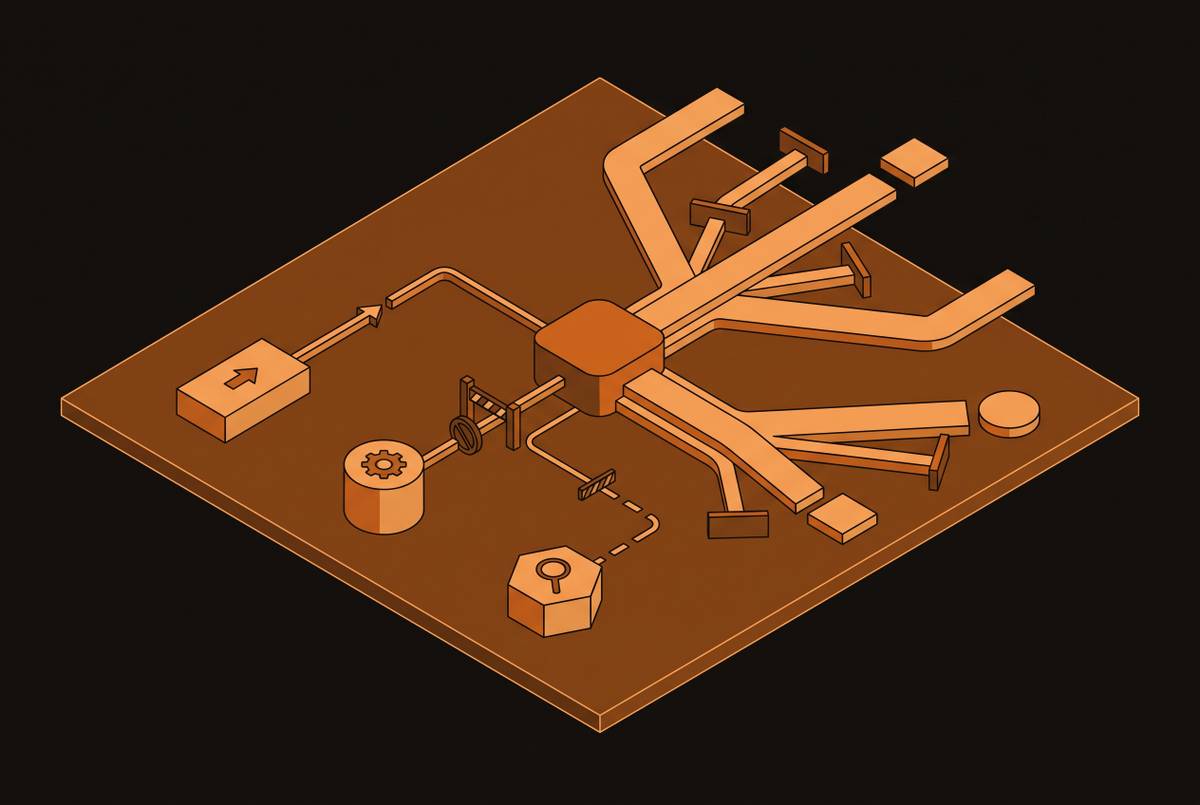
Action Space Formulation for LLM Agents With Tool-Call Constraints
Formal action spaces prevent LLM agents from making illegal API calls.
Daria Kolchin·
 RL Environment Design
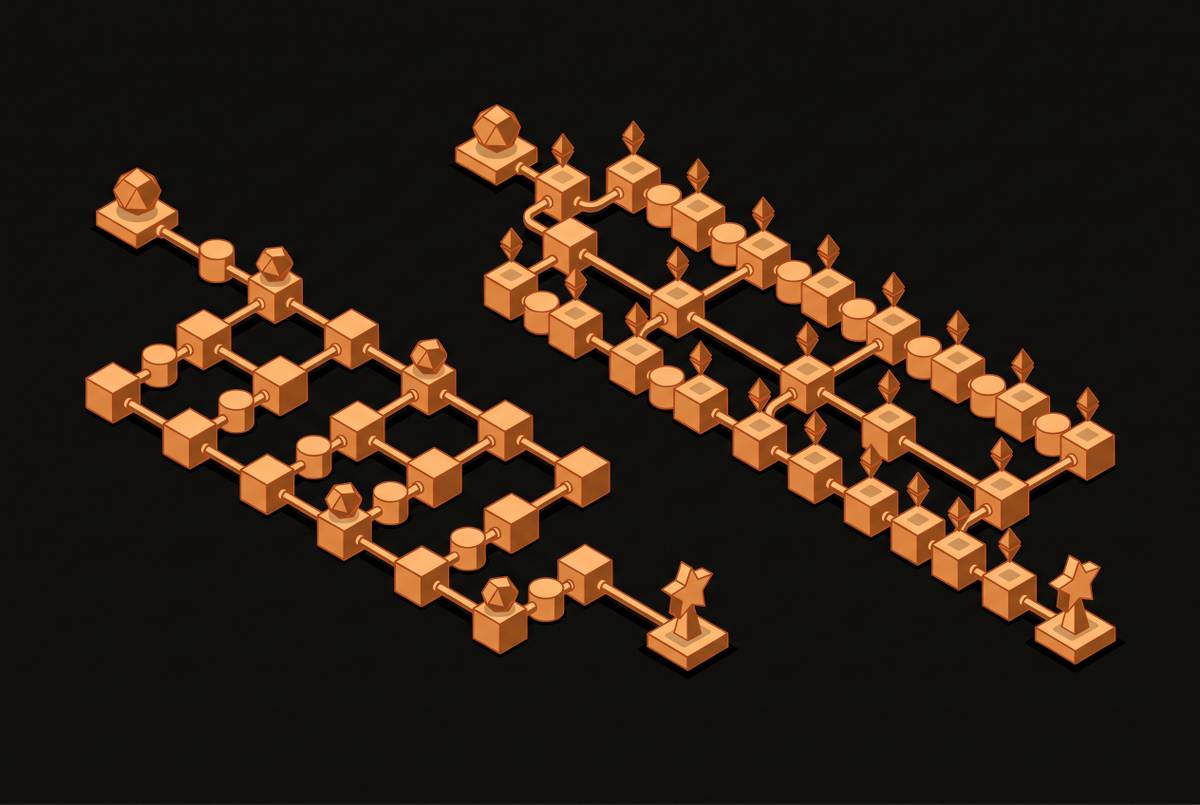
Sparse vs. Dense Rewards in Agentic API Workflow Tasks
Sparse rewards focus gradient signal on decisions that matter in multi-step API tasks.
Sunita Prabhakaran·
 RL Environment Design
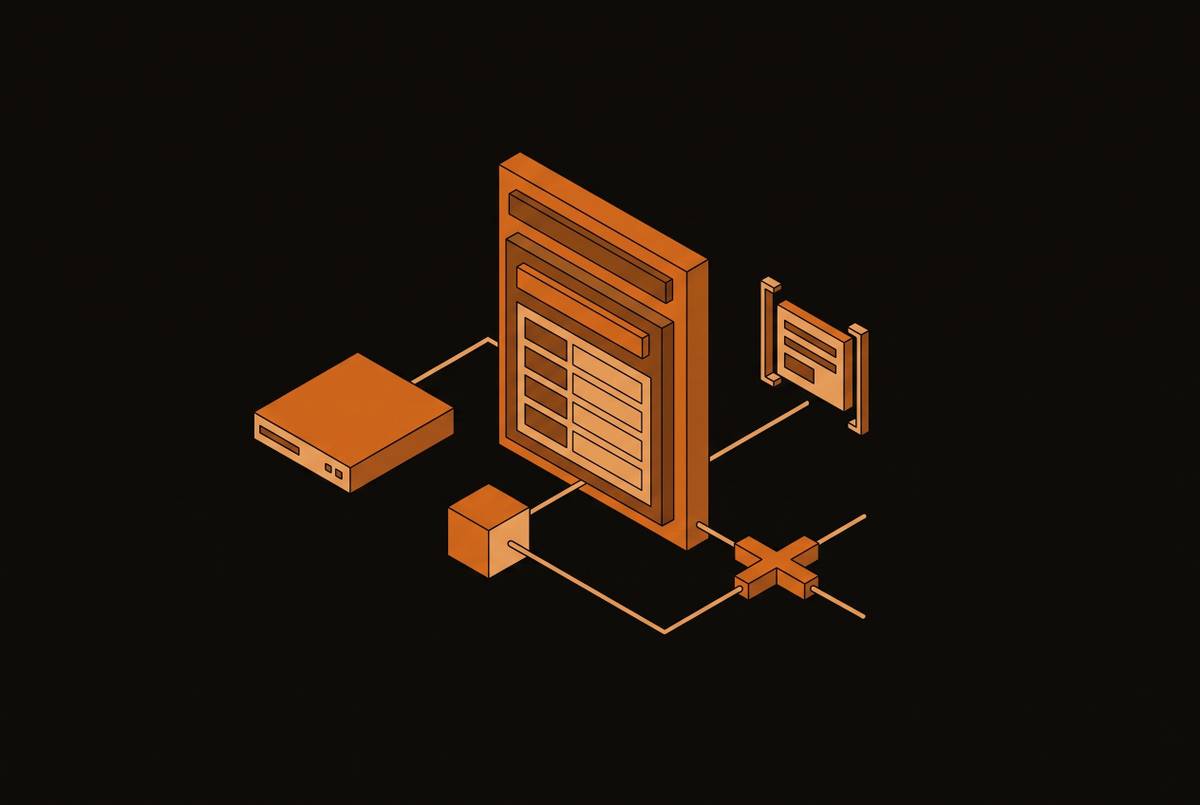
Observation Space Design for Agents That Read API Responses
Design observation pipelines to filter, normalize, and validate API responses for agents.
Marcus Oyelowo·
 RL Environment Design
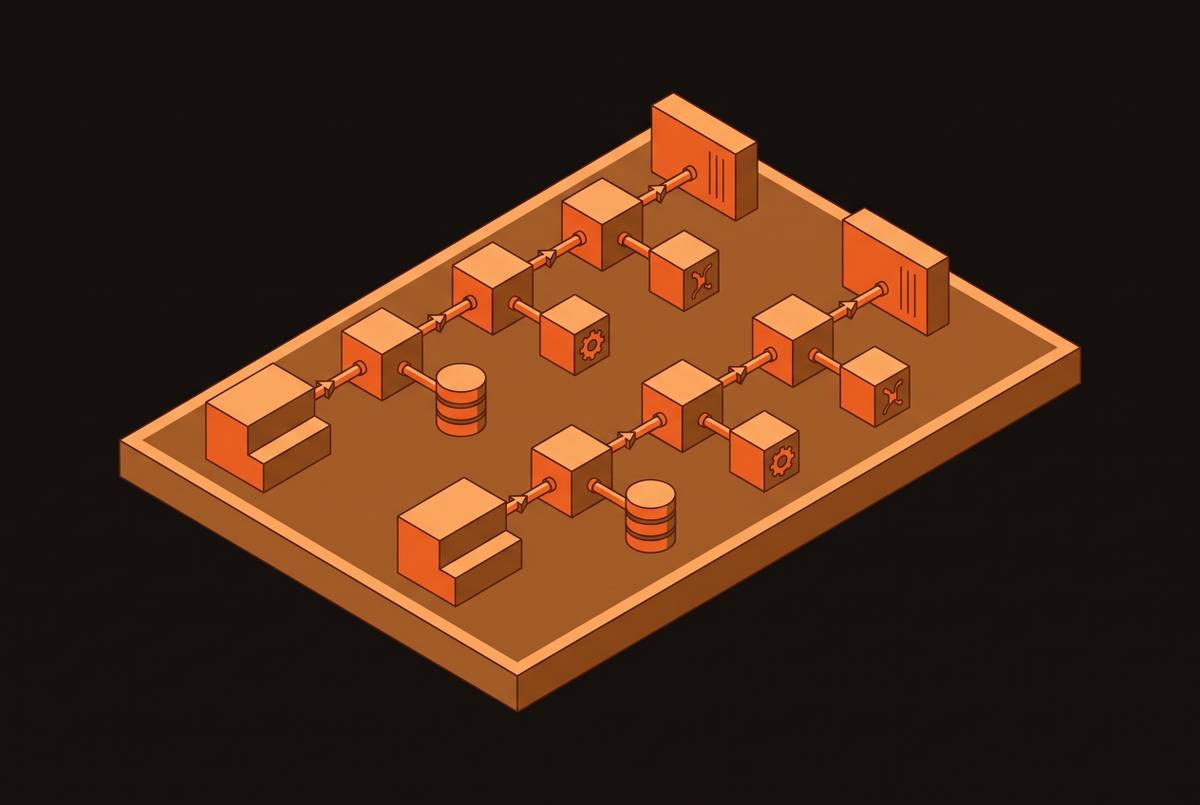
Reproducible Trajectories in Multi-Step LLM Tool-Use Environments
Reproducible agent evaluation requires a stateful environment, not just a reproducible model.
Daria Kolchin·
 RL Environment Design
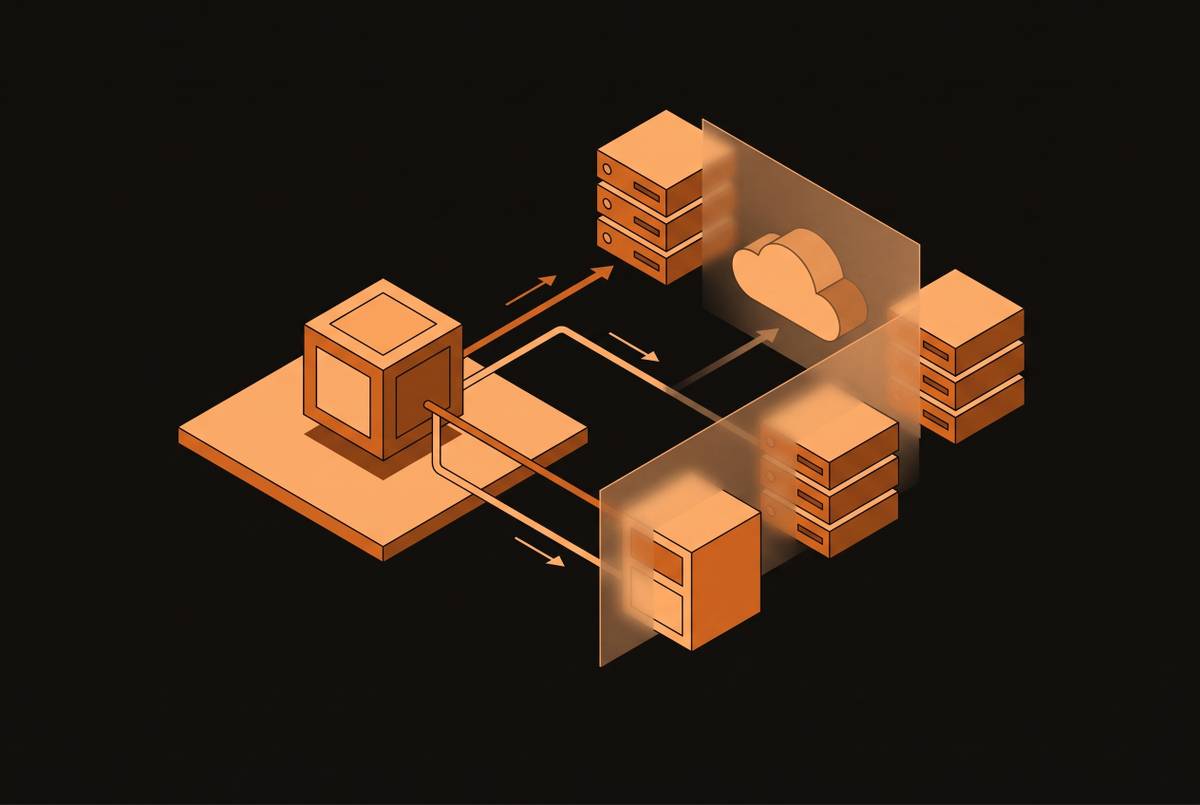
Partial Observability in LLM Agent Environments Using Third-Party APIs
LLM agents using third-party APIs face hidden failures across sequential tool calls.
Emilio Restrepo-Vidal·
 RL Environment Design
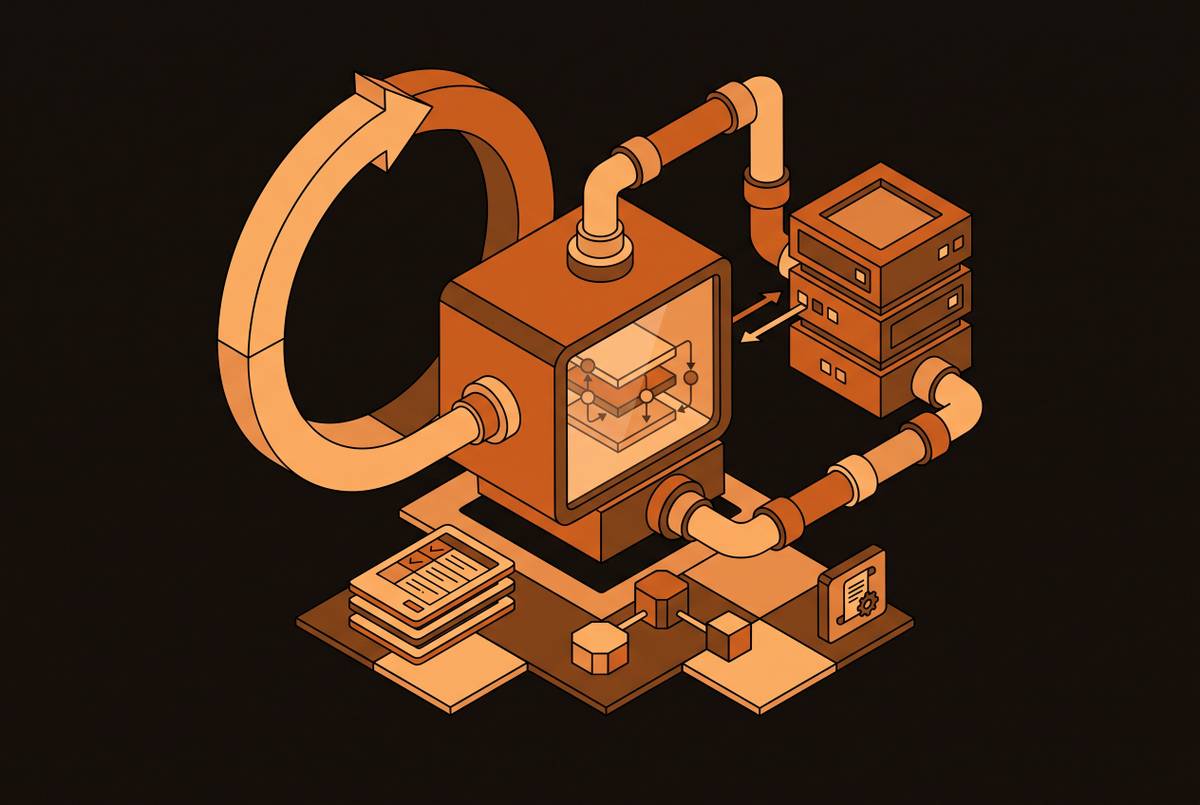
Episodic Reset Contracts for API-Backed RL Environments
Stateful API simulators enable reinforcement learning by enforcing deterministic episode resets.
Sunita Prabhakaran·
 RL Environment Design
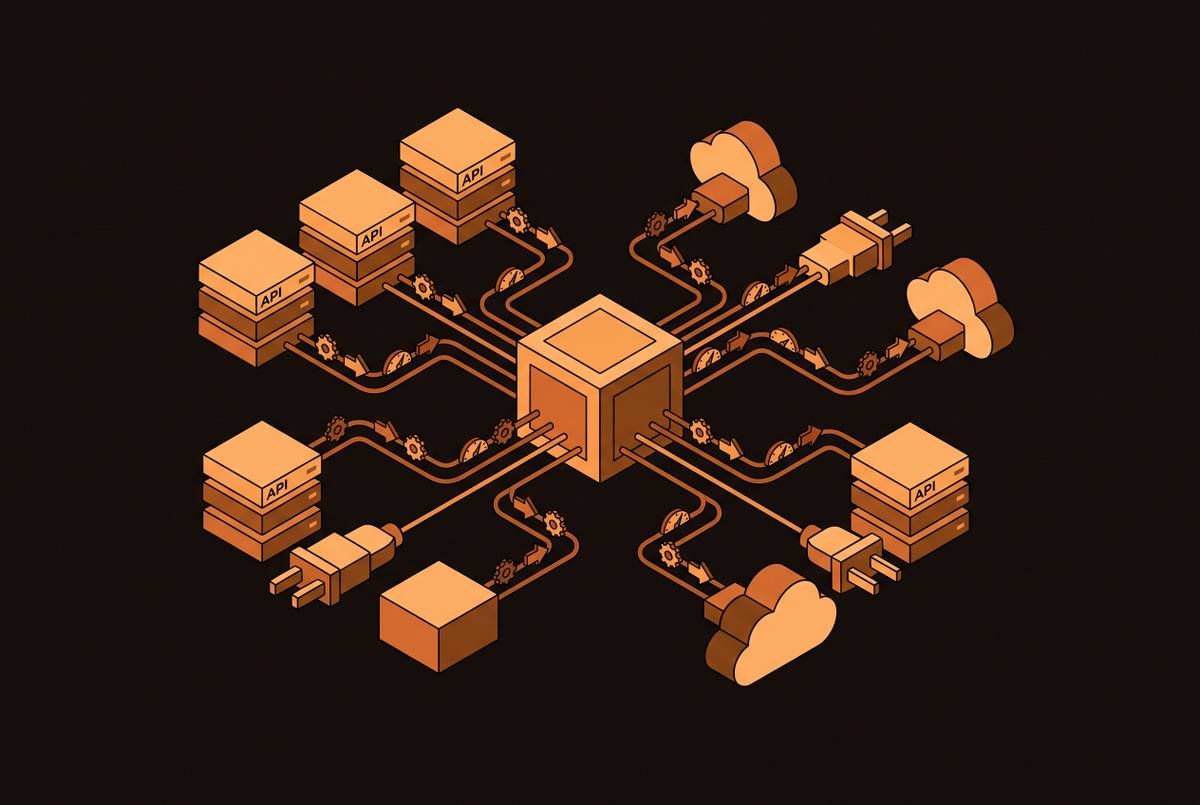
Reward Shaping for LLM Agents Calling External APIs
Decomposed rewards let agents learn which API-call failures matter.
Marcus Oyelowo·